
When parents first hear the term Occupational therapy (OT), the image that often comes to mind is a therapy room filled with swings, balls, textured mats, and children engaging in sensory play. While sensory integration is an important part of occupational therapy, it is only one piece of a much larger picture. Occupational therapy is not just about regulating senses—it is about helping children participate meaningfully in their daily lives.
Over the years, in conversations with parents, educators, and even students entering the field, a common question comes up:
“My child’s sensory issues are better now—do we still need OT?”
This question reflects a widespread misunderstanding of what occupational therapy truly supports.
What Does “Occupation” Really Mean for a Child?
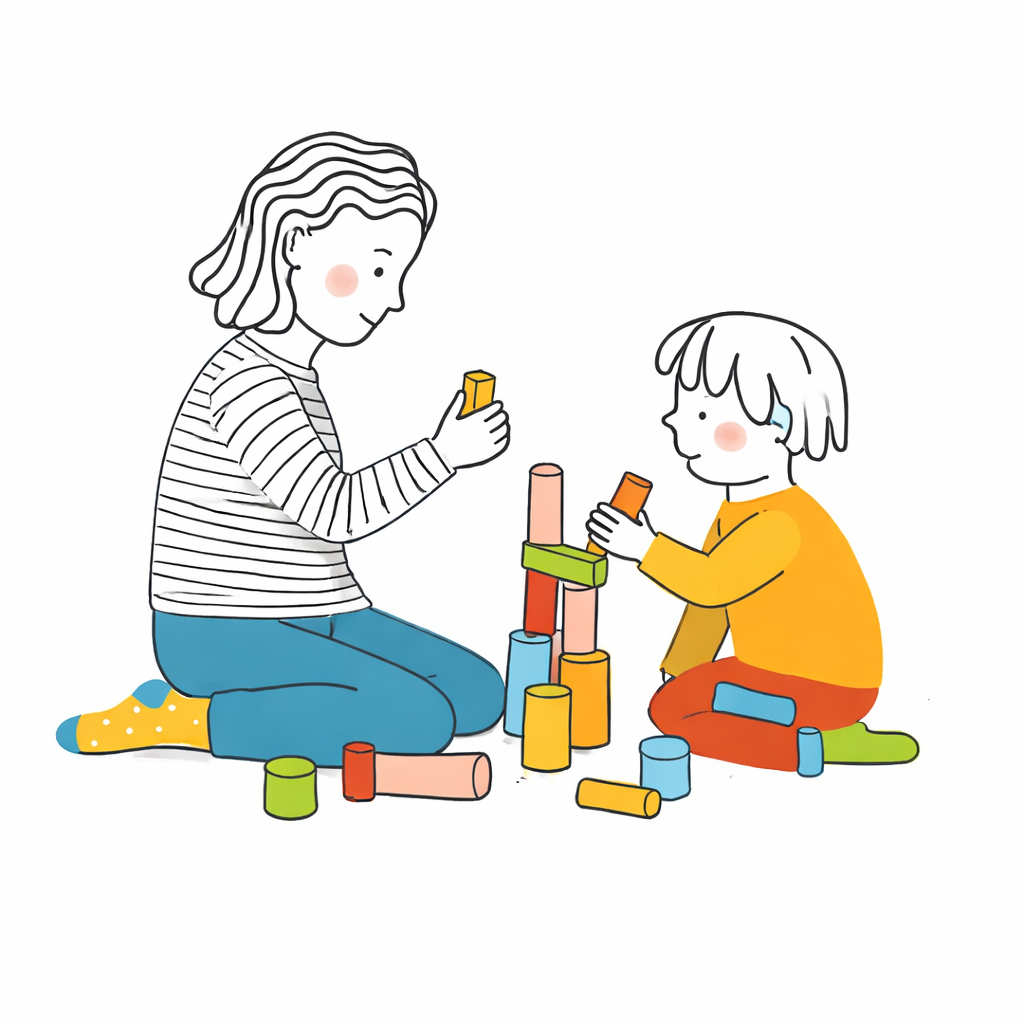
In occupational therapy, the word occupation does not refer to a job. For children, occupation means everything they do in their everyday life—playing, eating, dressing, writing, attending school, interacting with others, and becoming more independent with age.
Occupational therapy focuses on helping children develop the skills required to perform Activities of Daily Living (ADLs) and age-appropriate tasks. These include:
- Feeding themselves
- Buttoning clothes and tying shoelaces
- Sitting through classroom activities
- Holding a pencil and writing
- Organising school materials
- Managing routines and transitions
- Participating in play and social interaction
Sensory integration supports these goals—but it is not the end goal.
Why Sensory Integration Often Gets All the Attention
Sensory challenges are usually visible and immediate. A child may avoid textures, struggle with noise, constantly move, or become overwhelmed easily. These concerns often lead parents to seek OT support early, which is a good thing.
In the initial stages, therapy may focus heavily on sensory regulation because a child needs to feel calm, alert, and organised before learning new skills. However, as regulation improves, therapy naturally shifts toward functional skill-building.
This is where confusion often arises.
Some parents share experiences like:
“My child enjoys OT, but now it just looks like play.”
“The therapist says sensory goals are met—so is OT over?”
What may not be obvious is that the play is intentional. It is designed to build strength, coordination, planning, attention, independence, and confidence—skills that directly impact daily functioning.
Occupational Therapy Grows With the Child
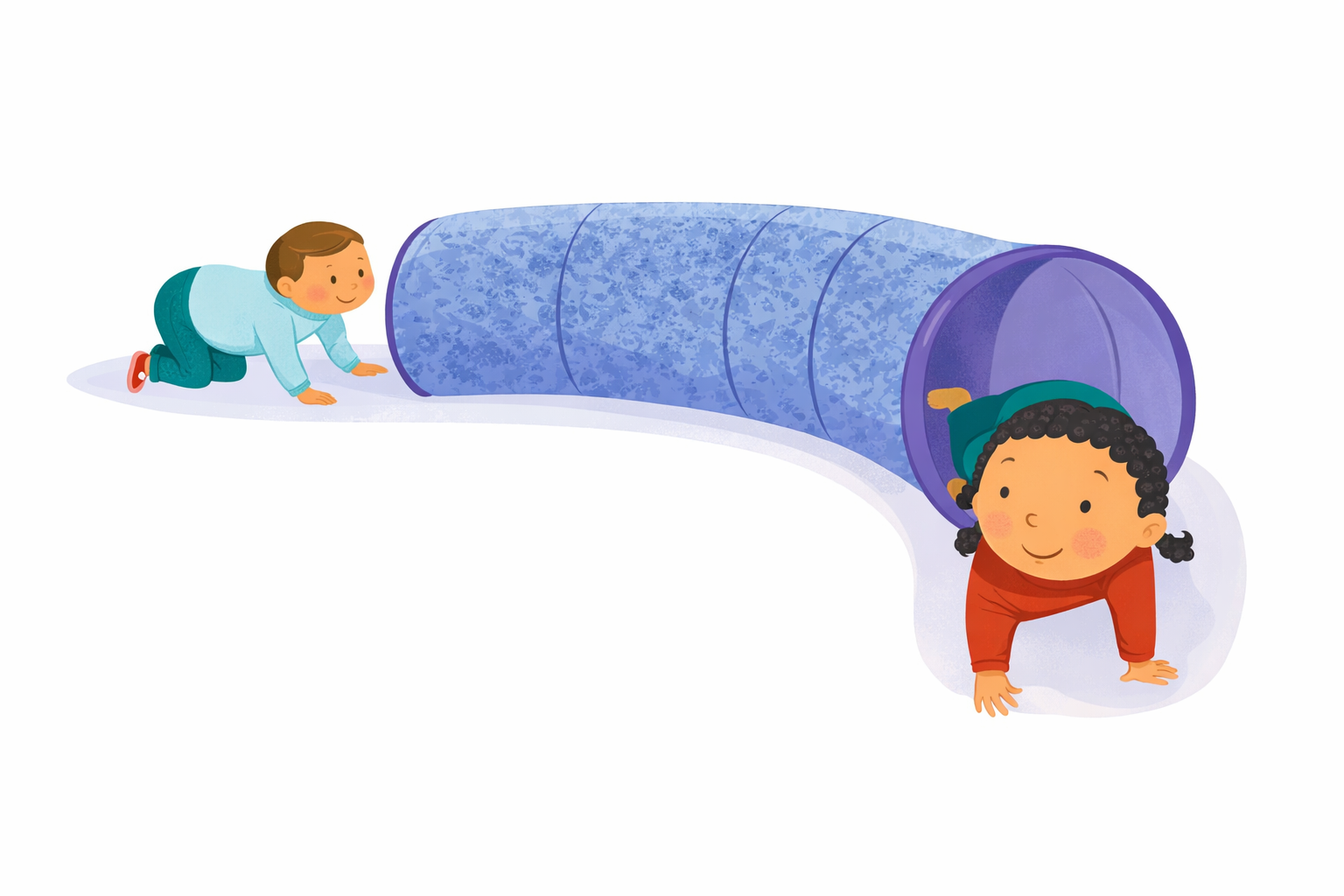
One of the most important aspects of occupational therapy is that it evolves with a child’s age and developmental level.
In early years, OT may focus on:
- Core strength and posture
- Fine motor development
- Sensory regulation
- Play skills
As the child grows, the focus shifts to:
- Self-care skills
- Classroom participation
- Handwriting and academic readiness
- Organisation and time management
- Independence in daily routines
Discontinuing OT too early—once sensory concerns reduce—can mean missing out on support during critical developmental transitions, such as starting school or managing increased academic demands.
OT Is Not “Fixing” the Child
Another misconception is that occupational therapy is about correcting a child’s behaviour or deficits. In reality, OT is about supporting participation, not perfection.
Therapists work closely with parents, teachers, and caregivers to adapt tasks, environments, and expectations so the child can succeed in real-life settings—not just therapy rooms. Small changes at home or school can make a significant difference in a child’s independence and confidence.
Parents often realise this when they say:
“We didn’t know how much our daily routines mattered until therapy helped us change them.”
Why Continuing OT Matters
Occupational therapy is not something a child “outgrows.” Needs change, expectations increase, and skills must keep developing. Continuing OT allows therapy goals to stay relevant, functional, and age-appropriate.
For some children, OT may be intensive early on and taper later. For others, support may be needed during specific phases—such as school entry, transitions, or increased academic pressure.
The goal is not lifelong therapy, but timely and appropriate support that empowers children to become more independent and confident in their everyday lives.
Supporting Progress Beyond the Therapy Room
When occupational therapy is supported consistently across home, school, and therapy settings, children often show meaningful and lasting progress. Everyday moments—such as getting dressed, sharing meals, completing homework, or playing with peers—become opportunities to build independence and confidence. With continued guidance and age-appropriate goals, occupational therapy can grow alongside the child, supporting new challenges at each stage of development. When families and educators stay engaged in this process, therapy becomes not just a service, but a foundation that helps children move forward with greater ease and self-belief.
As one parent shared after months of therapy,
“We came for the sensory issues. We stayed because OT helped my child live their life better at home, at school, everywhere. It wasn’t about fixing anything. It was about finally seeing what my child could do.”
Occupational therapy is not a phase, a trend, or a checklist of sensory goals. It is a long-view approach to helping children participate, belong, and grow into their everyday lives with confidence and independence.